Re: trolling motor
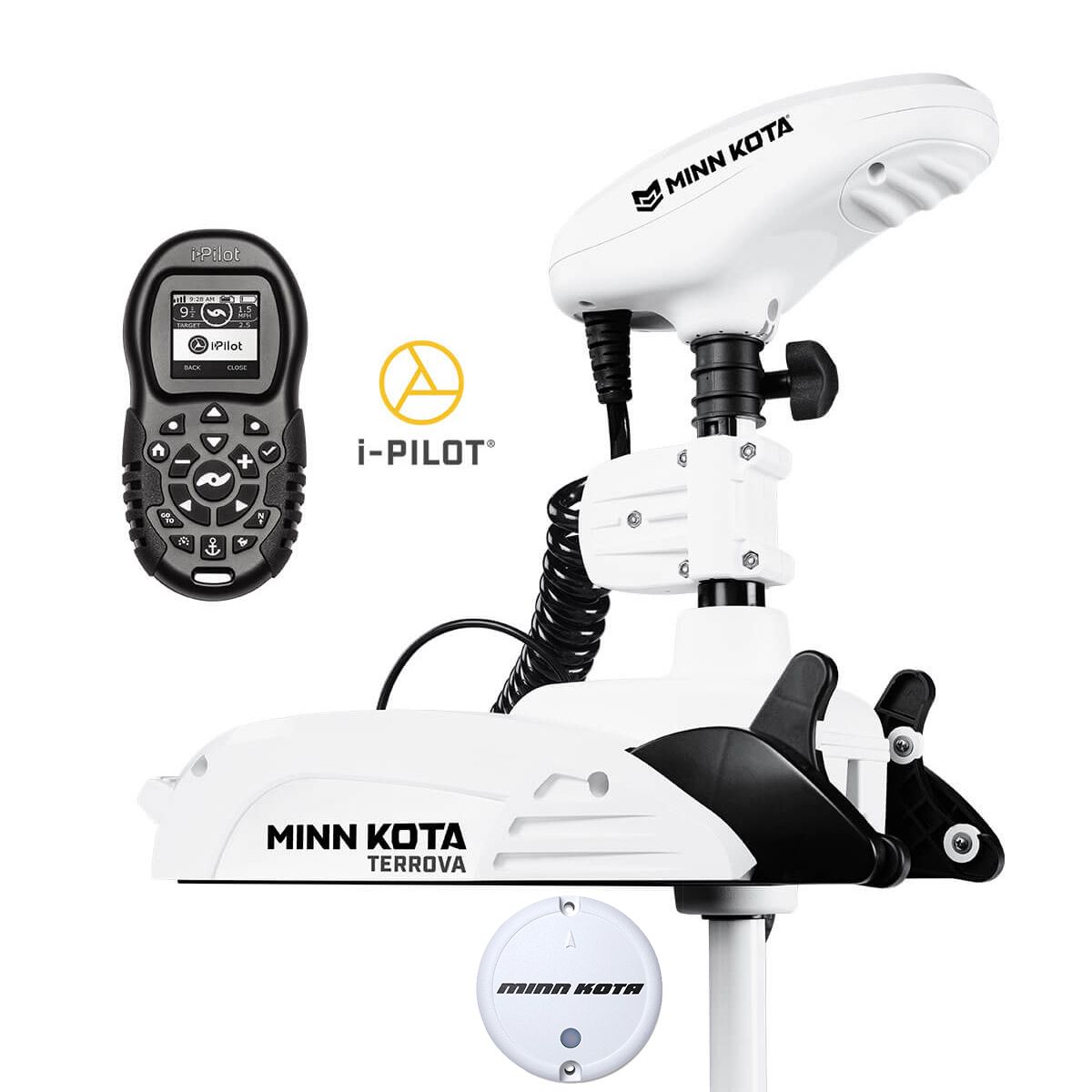
[FONT=TimesNewRoman,Bold][FONT=TimesNewRoman,Bold]Step 1.
[/FONT][/FONT][FONT=TimesNewRoman,Bold][FONT=TimesNewRoman,Bold][/FONT][/FONT]Make sure motor is mounted within 5 degrees of level (the compass card with the graduated markings must be
floating level) and there are no ferrous metal objects near the motor that may be affecting the compass
(including screws/nuts). While maintaining a level compass, spin the control box and observe the compass
card. The card should remain stationary (i.e. card should not have lost its magnetic north reference) as the
control box is turned. If the compass card sticks or “hangs up” it is faulty, and the compass assembly needs to
be replaced.
[FONT=TimesNewRoman,Bold][FONT=TimesNewRoman,Bold]Step 2.
[/FONT][/FONT][FONT=TimesNewRoman,Bold][FONT=TimesNewRoman,Bold][/FONT][/FONT]Check motor for excessive vibration. Inspect propeller and propeller shaft for damage. (Excessive vibration
can cause the AutoPilot compass to oscillate causing erratic operation.)
[FONT=TimesNewRoman,Bold][FONT=TimesNewRoman,Bold]Step 3.
[/FONT][/FONT][FONT=TimesNewRoman,Bold][FONT=TimesNewRoman,Bold][/FONT][/FONT]Check for proper voltage to motor while motor is under load. AutoPilot steering is susceptible to erratic
operation in low voltage situations. (Use of adequate wire gauge in boat or any leadwire extension is critical to
avoid voltage drop / low voltage to the motor; as can inadequate or a corroded plug / plug receptacle.)
[FONT=TimesNewRoman,Bold][FONT=TimesNewRoman,Bold]Step 4.
[/FONT][/FONT][FONT=TimesNewRoman,Bold][FONT=TimesNewRoman,Bold][/FONT][/FONT]Check continuity of brown, red, white, and black small gauge wires in the coil cord with the coil cord stretched
out to length. If you find a break in continuity in any of these wires, the coil cord is defective. Replace coil
cord, if required.