


Moody Blue
Captain
- Joined
- May 24, 2004
- Messages
- 3,136
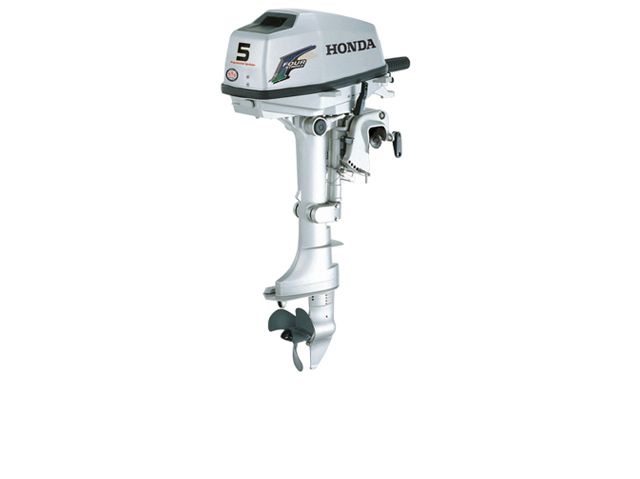
Have three lower units for this motor, all of the same vintage.
Two do not have the spring loaded pin on the end of the driveshaft and the third does have the spring loaded pin.
Trying to select the BEST of the three units to install on the motor. All three units have clear clean lube oil and no visible oil leaks. The unit with the spring pin has lots of vertical free play in the driveshaft, about 1/8". Another unit (no spring pin) has a little less than 1/16" vertical play while the last unit has no perceivable vertical free play. Don't know the first thing about these units so can't tell what is good or bad.
Prop shaft turns freely on all motors but seems "free-er" on one of the units. Can't measure any runout on the prop shaft with my crude test setup. There are two types of driveshaft bearings in these units. Looks like ball bearings in two of them and tapered roller bearings in the other.
Any advice from the experts?
Are there certain things to look for or check?
Two do not have the spring loaded pin on the end of the driveshaft and the third does have the spring loaded pin.
Trying to select the BEST of the three units to install on the motor. All three units have clear clean lube oil and no visible oil leaks. The unit with the spring pin has lots of vertical free play in the driveshaft, about 1/8". Another unit (no spring pin) has a little less than 1/16" vertical play while the last unit has no perceivable vertical free play. Don't know the first thing about these units so can't tell what is good or bad.
Prop shaft turns freely on all motors but seems "free-er" on one of the units. Can't measure any runout on the prop shaft with my crude test setup. There are two types of driveshaft bearings in these units. Looks like ball bearings in two of them and tapered roller bearings in the other.
Any advice from the experts?
Are there certain things to look for or check?