Mercury oil injection - keep or delete?

burnt clutch

Seaman Apprentice
Joined
Jul 3, 2012
Messages
46
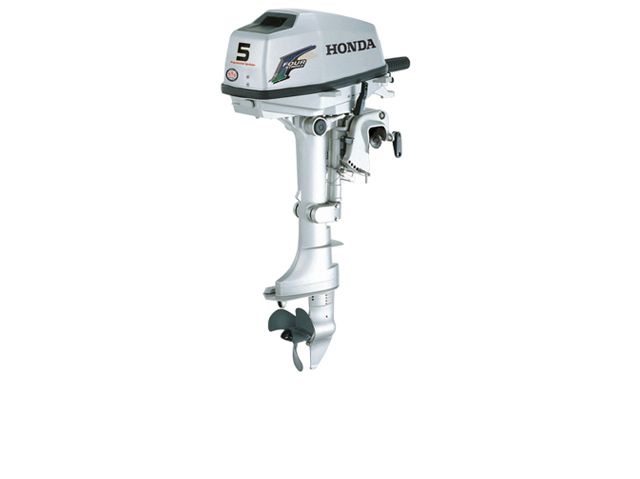
Hey all, I just bought a used 2001Mercury 40 HP ELPTO motor, and this one has an intact oil injection system. Are these oil systems reliable? The motor has good compression, so I’m assuming that it’s working as intended but I’m wondering if I should keep it or delete incase it fails sometime in the future. What are your all thoughts on the Mercury oiling systems? Are there any parts that I should check for premature wear? Thanks in advance!

-Karl
 

Texasmark

Supreme Mariner
Joined
Dec 20, 2005
Messages
15,020
I had a 90 and 115 HP 2002 engines. I eliminated the oil pump gear on the 90 because I felt like doing it, obviously running pre-max gas afterwards. I didn't feel like it on the 115.
One thing I noticed and may have been the reasoning for the initial change is that I'm 84 and don't go boating much, maybe once per annual quarter for an hour or so on the water. Doing the things that I have been doing for decades, what you are supposed to do to get an engine started, but having to deal with the EPA mandated squeeze bulbs, fuel was taking awhile to get into the combustion chamber. Since the oil was injected by a pump geared to the crankshaft, as the engine turned over with the starter, it was pumping oil but not gas.

The result was a "smoke fog" when the engine started, clearing out the excess oil. Pre-mix solved that problem. I didn't do the 115 because I was too lazy by then and too lazy to take the boat out much. Was it a good idea to do the 90? Absolutely. If you boat frequently, it probably would be a waste of time and less convenient filling up if you just had to add gas to the fuel tank.
 

Texasmark

Supreme Mariner
Joined
Dec 20, 2005
Messages
15,020
1550 hours trouble free on my 1987 3-cylinder 90hp. Oil lines should be replaced every 10 years or so.
I would change your input from "oil" lines to "petroleum" lines since I have evidence of fuel lines breaking down and filling up fuel filters with little black (rubber) specks.
 

electricjohn

Petty Officer 1st Class
Joined
Dec 16, 2006
Messages
237
I would change your input from "oil" lines to "petroleum" lines since I have evidence of fuel lines breaking down and filling up fuel filters with little black (rubber) specks.
I've check fuel lines and all still are good after 40 seasons of both salt and bland (fresh) water operation. Another problem is that all those molded short lines on my motor are NLA. I have replaced the line from the filter to carb with clear Tygon tubing so I could check for air bubbles in the flow and see if the fuel has a blue tint. Same for the lines between the carbs. Last season I replaced and slit open the 40-year-old line from the tank to the motor. It too was fine although unusably stiff.
 

dingbat

Supreme Mariner
Joined
Nov 20, 2001
Messages
17,261
Last season I replaced and slit open the 40-year-old line from the tank to the motor. It too was fine although unusably stiff.
Hoses get "stiff", lose plasticity as the result of prolonged exposure ultraviolet rays (sunlight) and atmospheric ozone breaking down the polymer chains in the rubber, causing it to dry out and stiffen.

The life expectancy of a neoprene rubber hose used in fuel delivery service is 10-15 years. There is nothing "fine" about a 40 yro fuel hose
 
Top