











iboats.com
Recruit
- Joined
- Apr 5, 2011
- Messages
- 4
Red Sky at Night with JB Cornwell 
In the Spring of 1943 we moved from Carolina Beach back to the Southern Pines/Pinehurst area in NC. It had been the intention of my Mom and my new Step Dad to live permanently at Carolina Beach when we went there in spring of 1941 after their marriage.
The war caused Mom to insist that we move back inland. She spent too many nights shooing me and my three siblings away from the windows where we stood fascinated by the burning ships offshore and too many days herding us away from the flotsam and occasional dead body in the surf. She had a new baby to look after and wanted refuge from the grim realities of the war.
My step dad was well off. We had three servants and two cars. He was a salesman (today we would call him an account executive) of coal. . . The Red Jacket Coal Company. We didn't like him much, but he adored our Mom and we came with the package. We moved into Knoll Cottage, a lovely Tudor style home on top of the one of the tallest hills in Moore county. From the second story bedroom I shared with my half brother we could see for many miles and hear the steam whistles of the trains passing by on the way to or from Florida and the Northeast.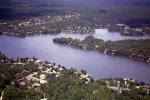
With Knoll Cottage came Jim Willis. Jim was "Uncle Jim", as were most elderly Africans of the day. It was a title of respect and affection, though some think of it as a term of derision.
Uncle Jim was a physical marvel. He had been born a slave in the 1840s in South Carolina and run away as a teen. When I first met him he was pretty close to 100 years old and still did a full day of hard, physical work most days.
Uncle Jim was also a great raconteur. He had many wonderful tales to tell of his adventures as a young man and later. Most of all he had a magic understanding of little boys, fish and many other things of universal importance.
Uncle Jim taught me and my boon companion, my half brother, Don, how to fish for bluegills and catfish with a willow pole. More important, he taught us to value all human beings in a time and place when only adult white males were created equal.
Once, when he was plowing a plot for our "Victory" garden with his mule whose name escapes me (he traded horses and mules regularly), the mule decided to take a break; it just stopped and hung its head in that way that mules do to signal that they are in deep thought. . .with one ear up like an antenna and the other drooped down. That was not satisfactory with Jim. He spoke harshly to the mule, who ignored him.
Jim then ripped a loose root from the sandy soil and fetched the mule a mighty whack on its butt. The mule was unimpressed.
Then Jim walked around in front of the mule and (remember, this is a man near or over 100 years of age) hit it in the forehead with his huge fist. The Mule dropped to its knees, shook its head then stood up with both ears in an upright, cooperative position. They then went on to finish the garden plot.
Most of Uncle Jim's stories came as we sat on the dam at what I still call "my" woodland pond while waiting for the bluegills or channel cat to bite.
Jim had run away from his owner along with another, older man. They made their way to Charleston and a ship that was a refuge for runaway slaves. The ship took them to Venezuela, where they made their way inland to a community of former slaves. While there he learned to read and write and became fluent in Spanish, as well as English. He only stayed there for a few years, his wanderlust drawing him back to the sea. He signed on to a merchant ship and spent the next thirty or forty years sailing the seven seas, finally landing back in Charleston.
There was no end to the exciting stories Jim told of his years as a seaman and the exotic ports he visited. He even alluded to a wife in several tales. The thing that confused me about that was that the "wife" seemed to be in several ports. . . It didn't occur to me at the time that there may have been several wives.
There came a day, after my step dad had passed away, that Mom hired a contractor to do some maintenance work on the house. Jim was assigned to help him out, be a gofer. I overheard the man berating Jim about some real or imagined flaw, calling him a stupid (bad word omitted) and calling him "Boy". I was really offended that my friend and mentor was abused like that. Jim seemed unaffected.
I later asked him why he allowed younger white men of poor quality to address him as "Boy" and he called them "Massa". Jim laughed his deep, echolike laugh. "Why, Honeychile, that is how I get him to do what I want."
When we sold Knoll Cottage and moved to town Jim took the money our step dad had left him and bought a small farm. He lived out his years there, growing tobacco and telling wonderful stories to small boys and girls.
When I came back to Southern Pines in the late 50s after several years overseas I found that He had died at the age of 110. He had plowed 10 acres of tobacco (with a mule) the day before he died.
Rest in peace, Jim Willis. You were a great friend and the wisest man I ever knew.
(JB Cornwell writes from "The Hideout" in Whitt, TX, and is also an expert moderator, instructor, and fountain-of-knowledge in the iboats.com Boating Forums, where he may occasionally share a yarn of his own.
In the Spring of 1943 we moved from Carolina Beach back to the Southern Pines/Pinehurst area in NC. It had been the intention of my Mom and my new Step Dad to live permanently at Carolina Beach when we went there in spring of 1941 after their marriage.
The war caused Mom to insist that we move back inland. She spent too many nights shooing me and my three siblings away from the windows where we stood fascinated by the burning ships offshore and too many days herding us away from the flotsam and occasional dead body in the surf. She had a new baby to look after and wanted refuge from the grim realities of the war.
My step dad was well off. We had three servants and two cars. He was a salesman (today we would call him an account executive) of coal. . . The Red Jacket Coal Company. We didn't like him much, but he adored our Mom and we came with the package. We moved into Knoll Cottage, a lovely Tudor style home on top of the one of the tallest hills in Moore county. From the second story bedroom I shared with my half brother we could see for many miles and hear the steam whistles of the trains passing by on the way to or from Florida and the Northeast.
With Knoll Cottage came Jim Willis. Jim was "Uncle Jim", as were most elderly Africans of the day. It was a title of respect and affection, though some think of it as a term of derision.
Uncle Jim was a physical marvel. He had been born a slave in the 1840s in South Carolina and run away as a teen. When I first met him he was pretty close to 100 years old and still did a full day of hard, physical work most days.
Uncle Jim was also a great raconteur. He had many wonderful tales to tell of his adventures as a young man and later. Most of all he had a magic understanding of little boys, fish and many other things of universal importance.
Uncle Jim taught me and my boon companion, my half brother, Don, how to fish for bluegills and catfish with a willow pole. More important, he taught us to value all human beings in a time and place when only adult white males were created equal.
Once, when he was plowing a plot for our "Victory" garden with his mule whose name escapes me (he traded horses and mules regularly), the mule decided to take a break; it just stopped and hung its head in that way that mules do to signal that they are in deep thought. . .with one ear up like an antenna and the other drooped down. That was not satisfactory with Jim. He spoke harshly to the mule, who ignored him.
Jim then ripped a loose root from the sandy soil and fetched the mule a mighty whack on its butt. The mule was unimpressed.
Then Jim walked around in front of the mule and (remember, this is a man near or over 100 years of age) hit it in the forehead with his huge fist. The Mule dropped to its knees, shook its head then stood up with both ears in an upright, cooperative position. They then went on to finish the garden plot.
Most of Uncle Jim's stories came as we sat on the dam at what I still call "my" woodland pond while waiting for the bluegills or channel cat to bite.
Jim had run away from his owner along with another, older man. They made their way to Charleston and a ship that was a refuge for runaway slaves. The ship took them to Venezuela, where they made their way inland to a community of former slaves. While there he learned to read and write and became fluent in Spanish, as well as English. He only stayed there for a few years, his wanderlust drawing him back to the sea. He signed on to a merchant ship and spent the next thirty or forty years sailing the seven seas, finally landing back in Charleston.
There was no end to the exciting stories Jim told of his years as a seaman and the exotic ports he visited. He even alluded to a wife in several tales. The thing that confused me about that was that the "wife" seemed to be in several ports. . . It didn't occur to me at the time that there may have been several wives.
There came a day, after my step dad had passed away, that Mom hired a contractor to do some maintenance work on the house. Jim was assigned to help him out, be a gofer. I overheard the man berating Jim about some real or imagined flaw, calling him a stupid (bad word omitted) and calling him "Boy". I was really offended that my friend and mentor was abused like that. Jim seemed unaffected.
I later asked him why he allowed younger white men of poor quality to address him as "Boy" and he called them "Massa". Jim laughed his deep, echolike laugh. "Why, Honeychile, that is how I get him to do what I want."
When we sold Knoll Cottage and moved to town Jim took the money our step dad had left him and bought a small farm. He lived out his years there, growing tobacco and telling wonderful stories to small boys and girls.
When I came back to Southern Pines in the late 50s after several years overseas I found that He had died at the age of 110. He had plowed 10 acres of tobacco (with a mule) the day before he died.
Rest in peace, Jim Willis. You were a great friend and the wisest man I ever knew.
(JB Cornwell writes from "The Hideout" in Whitt, TX, and is also an expert moderator, instructor, and fountain-of-knowledge in the iboats.com Boating Forums, where he may occasionally share a yarn of his own.