Water or oil in Cylinders

ricodudink

Cadet
Joined
May 23, 2022
Messages
26
Hello everyone,


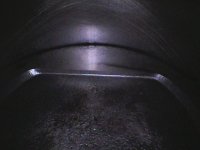
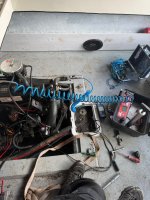
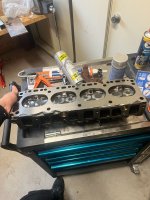
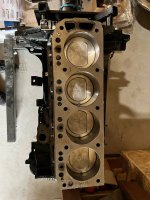
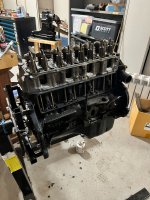
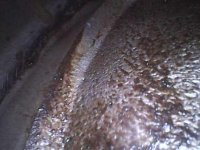
I recently rebuilt a Mercruiser 140 and have been running it for a short period. After about 20 minutes of running time, I inspected all cylinders and I have the impression that water may have entered the cylinders.


I would really appreciate your feedback on whether this actually looks like water intrusion and if this is considered a serious issue.


It appears to be worse in cylinder 4 compared to cylinder 1, but the engine is still running and operating perfectly smoothly.

Before the first startup, some water did enter the exhaust, which I removed as much as possible. I do not believe this is the cause, but I would like to hear your thoughts and experiences on this situation.

Any advice would be greatly appreciated.
WhatsApp Image 2026-06-03 at 19.47.19.jpegWhatsApp Image 2026-06-03 at 19.47.18 (1).jpegWhatsApp Image 2026-06-03 at 19.47.19 (1).jpegWhatsApp Image 2026-06-03 at 19.47.18.jpeg
 

Scott06

Admiral
Joined
Apr 20, 2014
Messages
7,436
Hello everyone,


I recently rebuilt a Mercruiser 140 and have been running it for a short period. After about 20 minutes of running time, I inspected all cylinders and I have the impression that water may have entered the cylinders.


I would really appreciate your feedback on whether this actually looks like water intrusion and if this is considered a serious issue.


It appears to be worse in cylinder 4 compared to cylinder 1, but the engine is still running and operating perfectly smoothly.

Before the first startup, some water did enter the exhaust, which I removed as much as possible. I do not believe this is the cause, but I would like to hear your thoughts and experiences on this situation.

Any advice would be greatly appreciated.

View attachment 416651View attachment 416653View attachment 416652View attachment 416654
normally if you have water entering the cylinder you will have no carbon in the cylinder or on the spark plug as it will steam clean it so to speak.

If you think it is in #4 this could be from the exhaust manifold to elbow joint or a bad exhaust. after running it let it sit a bit take the plugs out and spin it over see if water comes out of the cylinders

How did the water get in the first time? is the oil milky ?
 

ricodudink

Cadet
Joined
May 23, 2022
Messages
26
normally if you have water entering the cylinder you will have no carbon in the cylinder or on the spark plug as it will steam clean it so to speak.

If you think it is in #4 this could be from the exhaust manifold to elbow joint or a bad exhaust. after running it let it sit a bit take the plugs out and spin it over see if water comes out of the cylinders

How did the water get in the first time? is the oil milky ?
The water likely got in because I replaced the elbow riser and there was still some water trapped inside it. However, I do not think this could be the cause of the issue I am seeing.


Regarding the carbon deposits: after about 15 minutes of running, there was almost no carbon on cylinder 4 and a small amount on cylinder 1. It looks like any possible water presence becomes more noticeable the further back the cylinders are in the engine.


I am considering running the engine for another 5 minutes, then draining it. After that, I plan to remove the intake manifold and inspect the exhaust ports to see if there is any water present there.


I also checked the oil and did not find any significant signs of water contamination, only a normal amount of moisture.
 

ricodudink

Cadet
Joined
May 23, 2022
Messages
26
normally if you have water entering the cylinder you will have no carbon in the cylinder or on the spark plug as it will steam clean it so to speak.

If you think it is in #4 this could be from the exhaust manifold to elbow joint or a bad exhaust. after running it let it sit a bit take the plugs out and spin it over see if water comes out of the cylinders

How did the water get in the first time? is the oil milky ?
I am currently pressure testing it at 15 psi. Over 15 minutes, I lost about 12 mbar (approximately 0.17 psi). I suspect this is due to the rubber hoses used during the test. Do you think this is within specification?

Is it possible that if the exhaust is cracked, the cylinders fill with water slowly?
 

Attachments

  • cae12f23-00e4-4846-8e51-30fdf5ab5beb.jpeg
    cae12f23-00e4-4846-8e51-30fdf5ab5beb.jpeg
    583.4 KB · Views: 2

Scott06

Admiral
Joined
Apr 20, 2014
Messages
7,436
I am currently pressure testing it at 15 psi. Over 15 minutes, I lost about 12 mbar (approximately 0.17 psi). I suspect this is due to the rubber hoses used during the test. Do you think this is within specification?

Is it possible that if the exhaust is cracked, the cylinders fill with water slowly?
that is fine for a pressure test. no issue

Yes it is possible the exhaust is cracked. Normally folks do a test filling the manifold with acetone and see if it weeps into the exhaust side as it wicks through cracks more easily than water.

Can also get sucked in if elbow is rotted out. If it si s salt water boat about every 5 years you need to replace manifold and riser, fresh water unless freeze damaged they typically last life of the boat
 

ricodudink

Cadet
Joined
May 23, 2022
Messages
26
that is fine for a pressure test. no issue

Yes it is possible the exhaust is cracked. Normally folks do a test filling the manifold with acetone and see if it weeps into the exhaust side as it wicks through cracks more easily than water.

Can also get sucked in if elbow is rotted out. If it si s salt water boat about every 5 years you need to replace manifold and riser, fresh water unless freeze damaged they typically last life of the boat
I removed the manifold after your message and noticed that all the exhaust ports are completely dry. What surprised me is that all the intake ports are wet. I have no idea how that's possible.

Is that something you would normally see with a cracked exhaust manifold?

I replaced the elbow/riser about two weeks ago, but I didn't replace the exhaust manifold because they're not available where I live.
 

Scott06

Admiral
Joined
Apr 20, 2014
Messages
7,436
I removed the manifold after your message and noticed that all the exhaust ports are completely dry. What surprised me is that all the intake ports are wet. I have no idea how that's possible.

Is that something you would normally see with a cracked exhaust manifold?

I replaced the elbow/riser about two weeks ago, but I didn't replace the exhaust manifold because they're not available where I live.
intake and exhaust on your engine are the same manifold. So could crack into the intake just same same as exhaust, unless the intake wetness was gas. If it was water you found your leak.
 

Bondo

Moderator
Staff member
Joined
Apr 17, 2002
Messages
71,440
I recently rebuilt a Mercruiser 140
Ayuh,...... What, exactly, did you do to "rebuild" this motor,..??
I ask, because it don't look like a rebuilt motor in yer pictures,....
 

ricodudink

Cadet
Joined
May 23, 2022
Messages
26
Ayuh,...... What, exactly, did you do to "rebuild" this motor,..??
I ask, because it don't look like a rebuilt motor in yer pictures,....
When I rebuilt the engine, I didn’t spend any time on the exterior, and I haven’t replaced the starter or the alternator yet. However, everything inside the engine is new. The rebuild was professionally machined and assembled by a machine shop.
 

Attachments

  • 793bd28d-9140-4652-bea9-7890b289ae6e.jpeg
    793bd28d-9140-4652-bea9-7890b289ae6e.jpeg
    417.3 KB · Views: 0
  • 1a01dbce-40c4-4c7f-9edf-4e8183d26366.jpeg
    1a01dbce-40c4-4c7f-9edf-4e8183d26366.jpeg
    437 KB · Views: 0
  • fe8f9e21-b956-4a8c-9a33-b4454629a8c3.jpeg
    fe8f9e21-b956-4a8c-9a33-b4454629a8c3.jpeg
    486.2 KB · Views: 0
Top